Ditch the Merlot: Your New Favorite Cheese Pairings Involve Hops, Apples & Espresso
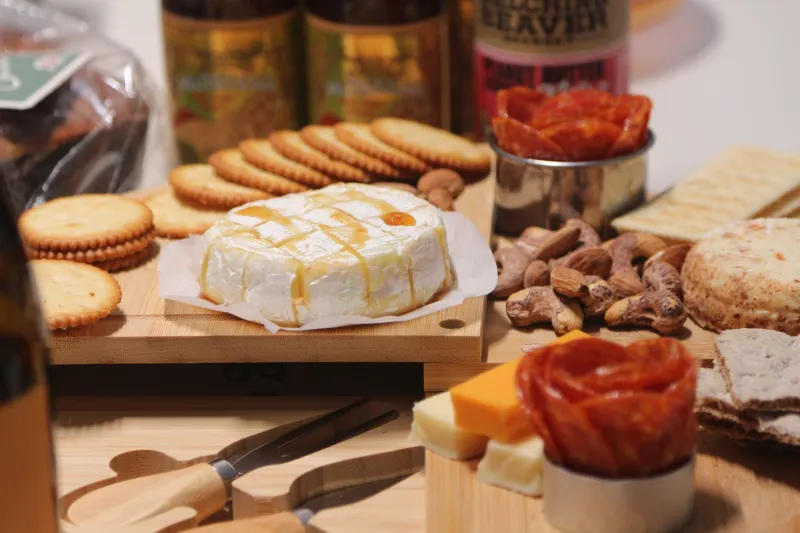
Let's have an honest conversation about the wine-and-cheese pairing industrial complex. It has given us many beautiful things — candlelit dinner parties, the phrase "notes of blackcurrant," and approximately 4,000 identical Pinterest boards. But somewhere along the way, the idea that cheese requires wine for proper enjoyment became so deeply embedded that suggesting otherwise feels vaguely transgressive.
We're here to transgress.
At CheeseZoo, we believe artisan cheese is too interesting, too varied, and too alive with flavor to be confined to a single beverage category. The same creative energy driving America's small-batch cheese revolution is happening simultaneously in craft brewing, hard cider production, and specialty coffee. These worlds were made for each other. They've just been kept in separate enclosures.
Time to open the gates.
Why Wine Isn't Always the Answer (Sorry, Sommelier Friends)
Wine is a magnificent cheese companion under the right circumstances. Nobody is arguing otherwise. But wine's acidity and tannin structure, while wonderful with certain cheeses, can actually bulldoze the more delicate flavor compounds in many artisan styles. A high-tannin red wine, for instance, can make a creamy, fresh chèvre taste metallic and weird — a tragedy that has unfolded at countless dinner parties without anyone naming it.
Craft beer, cider, and coffee bring different chemical tools to the pairing table. Carbonation scrubs the palate clean between bites. Hop bitterness cuts through fat the way tannins do, but with more precision. Apple-derived acids in cider have a natural affinity for dairy that goes back to the same agricultural landscapes where both were produced. And coffee — particularly the bright, fruity varieties from Ethiopia or Colombia — shares flavor compounds with certain aged cheeses in ways that border on the supernatural.
"People look at me like I've suggested something illegal when I recommend a washed-rind cheese with a stout," says one specialty cheese buyer we spoke with. "Then they try it, and suddenly they're texting me at 11 p.m. about it. Every time."
The IPA Situation (It's Better Than You Think)
India Pale Ales are divisive among beer drinkers, but among cheese people who've explored the pairing, they inspire near-religious devotion. Here's why: the assertive hop bitterness in a West Coast IPA acts as a brilliant counterpoint to the fat and salt in aged, hard cheeses.
Try this: A sharp Vermont cheddar — something aged two years or more — alongside a classic West Coast IPA. The bitterness of the hops cuts through the cheese's richness, while the cheese's salt amplifies the beer's malt backbone. The result is cleaner and more interesting than either element alone.
Also try: Blue cheese with a New England (hazy) IPA. This sounds like a chaos move, but the tropical fruit notes in a hazy IPA — mango, pineapple, stone fruit — have a remarkable affinity for the funky, salty intensity of a good American blue. Roquefort-style cheeses are particularly magical here. The sweetness tames the funk; the funk makes the sweetness more interesting. It's a whole thing.
For the adventurous: A bloomy-rind brie-style cheese with a session IPA. Lighter-bodied and less bitter than a full IPA, the session version lets the mushroomy, buttery character of the cheese come forward while providing just enough contrast to keep things lively.
Hard Cider: The Pairing Partner That Makes Geographical Sense
Before we had refrigerated trucks and global supply chains, cheese and apples coexisted in the same agricultural ecosystems. The farms of Normandy, the orchards of Somerset, the valleys of Vermont — these places made both dairy products and cider because both fit naturally into the same agricultural calendar. The pairing isn't a trend. It's a reunion.
Modern American hard cider has evolved far beyond the sweet, commercial versions that dominated the early 2000s. Dry, funky, terroir-driven ciders from producers in New York's Finger Lakes, the Champlain Valley, and the Pacific Northwest are complex enough to match even the most assertive cheeses.
The classic move: A bone-dry farmhouse cider with a washed-rind cheese. The apple's natural acidity and the cider's slight funkiness echo the barnyard notes in cheeses like Taleggio or Jasper Hill's Winnimere, creating a harmony that tastes like it was designed by someone with a very specific PhD.
The crowd-pleaser: A semi-dry cider with a young, nutty Gouda. The cider's residual sweetness plays off the cheese's caramel notes, while the carbonation keeps each bite feeling fresh. This is the pairing to bring out when you need to convert skeptics.
The wildcard: Pét-nat cider (naturally sparkling, slightly cloudy) with a fresh chèvre. The effervescence, gentle tartness, and slight yeastiness of a pét-nat cider mirrors the bright acidity of fresh goat cheese in a way that's genuinely startling. Serve this at your next dinner party and watch people immediately Google what they just tasted.
Coffee: The Pairing Nobody Saw Coming
Okay, stay with us here.
Specialty coffee — particularly light-roasted, single-origin beans processed using washed or natural methods — has a flavor complexity that rivals wine. Ethiopian coffees frequently exhibit blueberry, jasmine, and citrus notes. Colombian varieties can run toward caramel, red fruit, and chocolate. These aren't marketing fabrications; they're the result of the same terroir-driven thinking that produces distinctive artisan cheeses.
And when you put them together? Extraordinary things happen.
The morning revelation: A light-roasted Ethiopian pour-over with an aged sheep's milk cheese like Manchego or Pecorino. The coffee's bright berry and citrus notes cut through the cheese's lanolin-rich fat, and the cheese makes the coffee taste more complex than it does alone. This is breakfast for people who take breakfast seriously.
The afternoon experiment: A natural-process coffee (fruity, wine-like, sometimes slightly funky) with a young washed-rind cheese. Natural coffees have a fermented quality that resonates with the bacterial complexity of washed-rind styles. It's an acquired taste, but once acquired, it's very difficult to go back.
The dessert play: Cold brew concentrate with a rich, creamy blue cheese and a drizzle of honey. The coffee's low acidity and chocolate-forward profile creates a mocha-adjacent experience when paired with the sweet-salty-funky trifecta of blue cheese and honey. Serve this instead of dessert and accept the compliments graciously.
Building Your Own Pairing Adventure
The underlying principle across all of these combinations is contrast and resonance — you want the beverage to either mirror something in the cheese (funky with funky, bright with bright) or provide a clean counterpoint (bitter against fat, sweet against salt). Wine does this well. Beer, cider, and coffee do it differently, and sometimes better.
Our suggestion: next cheese night, put out three glasses instead of one. A wine, a craft beer, and something unexpected. Let people experiment. The cheese board becomes an event rather than an accessory, and you'll discover combinations that become permanent fixtures in your rotation.
The zoo has more animals than you think. Go exploring.
Shop our curated selection of pairing-ready artisan cheeses at CheeseZoo.com. Each product page includes our recommended beverage pairings — wine included, but not exclusively.