Cheese Boards Are Edible Essays — Here's How to Write a Good One

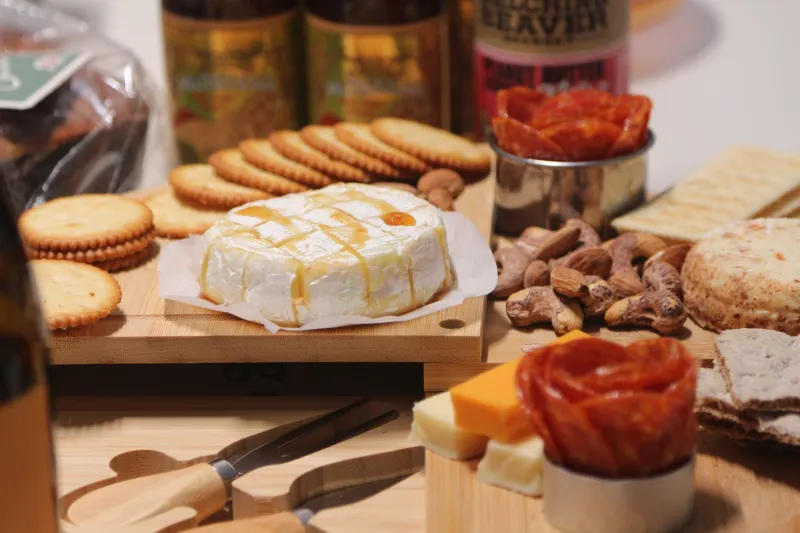
Photo: artisan American cheese board curated regional selection with honey and accompaniments, via scitechdaily.com
Somewhere along the way, the American cheese board became a performance of abundance rather than a piece of intentional curation. More cheeses. Bigger board. More accompaniments. A waterfall of honey cascading over everything. The result is often visually impressive and intellectually incoherent — a collection of unrelated dairy products that shout over each other rather than holding a conversation.
We'd like to propose a different approach. At CheeseZoo, we think the best cheese boards tell a story. They have a beginning, a middle, and an end. They have a point of view. They leave your guests knowing something they didn't know when they arrived, and tasting something they won't forget by the time they drive home.
Here's how to build one.
Start With a Thesis, Not a Shopping List
Every good essay begins with an argument, and your cheese board should too. Before you buy a single wheel, decide what you want your board to say. This sounds pretentious — it isn't. It's just a frame, and frames make everything better.
Some thesis options to consider:
"America's Northeast is having a moment." Build entirely around Vermont, New York, and Massachusetts producers. Show your guests that New England is doing things with milk that should make the French pay attention.
"The same milk, three completely different cheeses." Source a fresh chèvre, a semi-aged tomme, and a hard aged wheel — all from goat's milk, ideally from the same producer or region — and walk guests through what time and technique do to a single ingredient.
"American terroir, coast to coast." Choose one cheese from the Pacific Northwest, one from the Midwest, and one from the Northeast. Let geography be the argument. Let your guests taste the country.
"One season, one region." Find cheeses that are only made at a specific time of year — Jasper Hill's Winnimere in winter, a spring chèvre from California, a summer-milk alpine-style from the Rockies — and make the board about the relationship between time and flavor.
Once you have your thesis, every subsequent decision — which cheeses, which accompaniments, which order of tasting — becomes easier because you have a filter.
Building the Arc: Structure Your Board Like a Story
A narrative has movement. So should your board. The classic advice is to go from mildest to most intense, and this holds up, but the more interesting version of that advice is to think in terms of contrast and progression rather than just intensity.
The Opening: Begin with something fresh, clean, and approachable. A young fresh chèvre from a California or Vermont producer, a fresh ricotta from a local creamery, or a mild fresh mozzarella made from local milk sets the palate and establishes the board's regional identity without overwhelming anyone. This is your first sentence — it should orient, not intimidate.
The Development: Your middle cheeses are where the argument gets interesting. This is where you might introduce a semi-firm or semi-soft cheese with more complexity — a buttery Havarti-style from a Midwest producer, an alpine-style wheel from a Colorado mountain creamery, or a bloomy-rind brie-style from a small New England farmstead. These cheeses carry the narrative forward and introduce new textures and flavor registers. Pair them with accompaniments that amplify rather than compete: a fruit preserve that echoes the cheese's natural sweetness, or a honey with floral notes that play against a grassy alpine style.
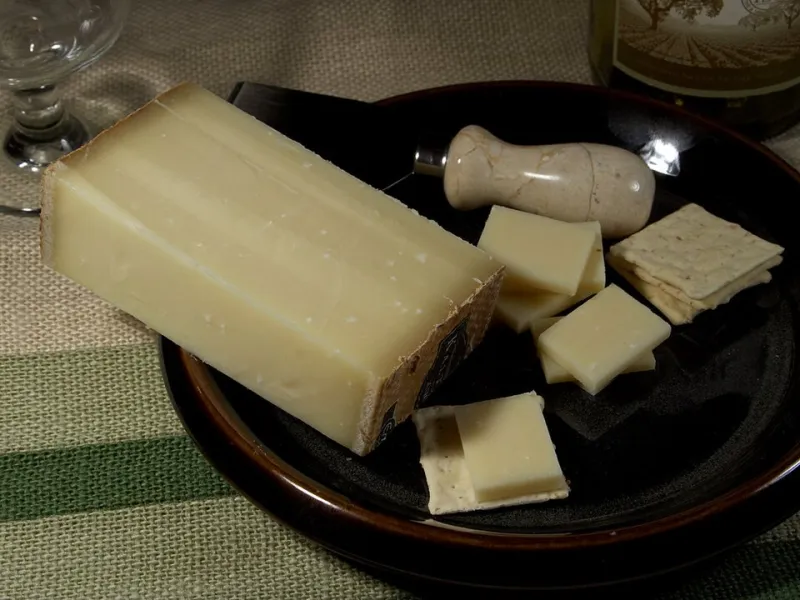
The Resolution: End with your most assertive cheese — the one that makes a statement and lingers. An aged clothbound cheddar from Cabot Clothbound (Vermont) or Fiscalini (California) is a classic American resolution: deeply savory, crystalline, complex. A wedge of Point Reyes Original Blue closes a board with authority. A slice of aged Gouda from a Dutch-American producer in the Midwest brings caramel and butterscotch notes that feel genuinely conclusive. This is your last paragraph. Make it count.
Regional Storytelling: A Practical Example
Let's build a specific board that tells a coherent American story — we'll call it "New England in November."
Opening: Vermont Creamery's fresh chèvre, served at room temperature with a drizzle of local wildflower honey. Clean, bright, slightly citrusy. This cheese says spring milk, carefully handled.
Development: Jasper Hill Farm's Harbison, a bark-wrapped bloomy-rind that's available in fall and winter. Spoonable, woodsy, slightly funky. Pair it with a spoonful of grainy mustard and thin slices of a crusty baguette. This cheese says Vermont forest, November air.
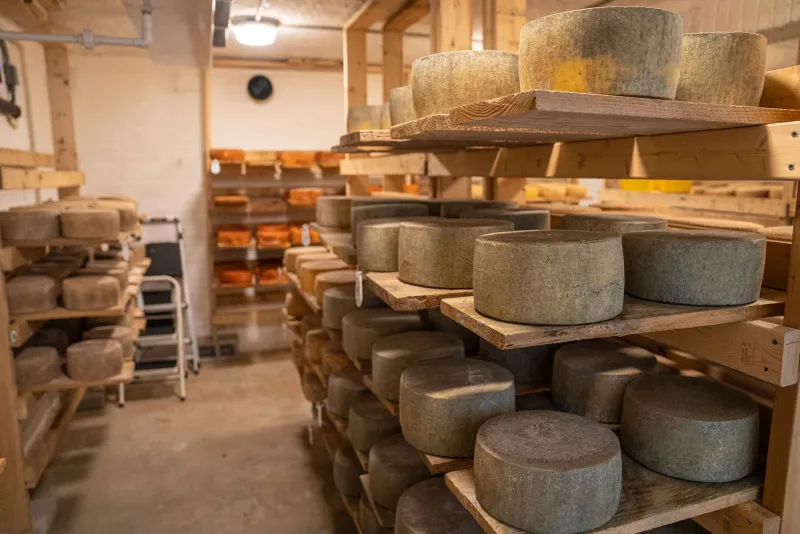
Resolution: Cabot Clothbound Cheddar, aged at Jasper Hill's Cellars at Jasper Hill for over a year. Crystalline, savory, nutty, with a finish that goes on for what feels like a small eternity. Pair with candied walnuts and a dried apple slice. This cheese says this is what New England dairy can do when it takes itself seriously.
Three cheeses. One state. One season. One argument. Your guests now know something about Vermont that they didn't know before, and they learned it through eating. That's the whole game.
Accompaniments Are Supporting Characters, Not Stars
One of the most common cheese board mistakes is treating accompaniments as decoration. They aren't. They're supporting characters with specific narrative functions.
Sweet accompaniments — honey, fruit preserves, fresh or dried fruit — create contrast with savory, salty cheeses and soften intensity. They're most useful next to blues and aged hard cheeses.
Savory accompaniments — olives, cornichons, grainy mustard, charcuterie if you're including it — reinforce umami notes and work beautifully with semi-firm and washed-rind cheeses.
Neutral carriers — plain crackers, sliced baguette, water crackers — are palate-cleansers and delivery vehicles. They should not have competing flavors. Rosemary crackers are delicious but they're also opinionated, and sometimes a cheese doesn't want to argue with rosemary.
Choose accompaniments that serve the cheese, not the other way around.
A Note on Labeling: Don't Be a Cheese Snob, But Do Be a Cheese Guide
If you're building a narrative board, tell your guests the story. This doesn't mean delivering a lecture while everyone stands around holding their wine glasses politely. It means writing small labels — index cards work perfectly — that include the cheese name, the maker, the state, and one evocative flavor note. "Jasper Hill Harbison — Vermont — Woodsy, spoonable, smells like a forest in the best possible way" is enough. It gives your guests permission to engage with the cheese as an experience rather than just a snack.
People eat more thoughtfully when they know what they're eating. And thoughtful eating, here at CheeseZoo, is basically the whole mission. Build the board. Tell the story. Let the cheese do the rest.