Curds Off the Beaten Path: America's Most Overlooked Cheese Destinations, State by Glorious State
Let's be honest. When most Americans think "cheese road trip," they think Vermont. Maybe Wisconsin. Possibly a vague gesture toward California wine country. And look — those places are great. Nobody is here to drag Vermont. But confining your cheese tourism to the obvious hotspots is like visiting New York City and only eating at Applebee's. Technically a meal. Deeply a shame.
America is absolutely lousy with extraordinary cheesemakers working in regions that don't get a fraction of the attention they deserve. These are the creameries tucked into mountain hollows, the farmstead operations that share a zip code with nothing, the tasting rooms you'd never find without someone whispering the name like a secret. CheeseZoo has done the legwork — and the eating — so you don't have to squint at Google Maps alone.
Buckle up. This is a road trip worth planning.
The Mountain South: Appalachia's Secret Cheese Belt
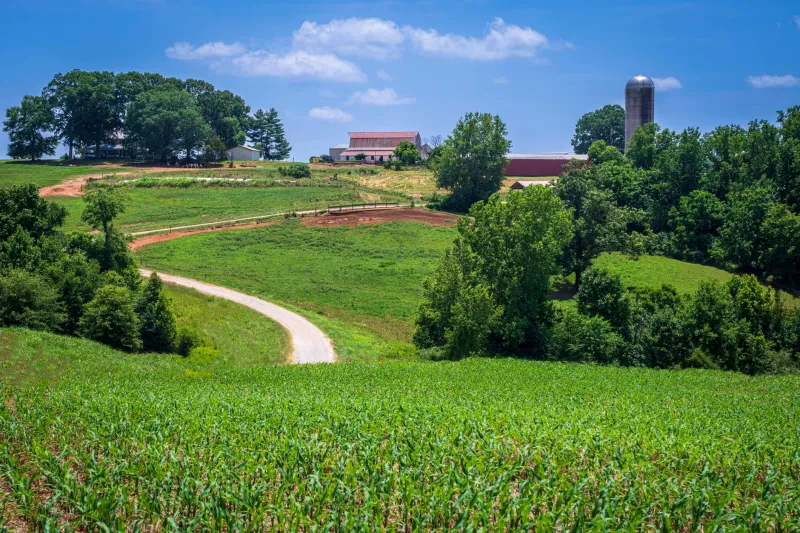
If you've never thought of the Southern Appalachians as cheese country, you are not alone — and you are also missing out spectacularly. Western North Carolina, East Tennessee, and the highlands of Virginia are home to a quietly thriving community of small-scale cheesemakers who are doing genuinely exciting things with cow, goat, and sheep milk from local farms.
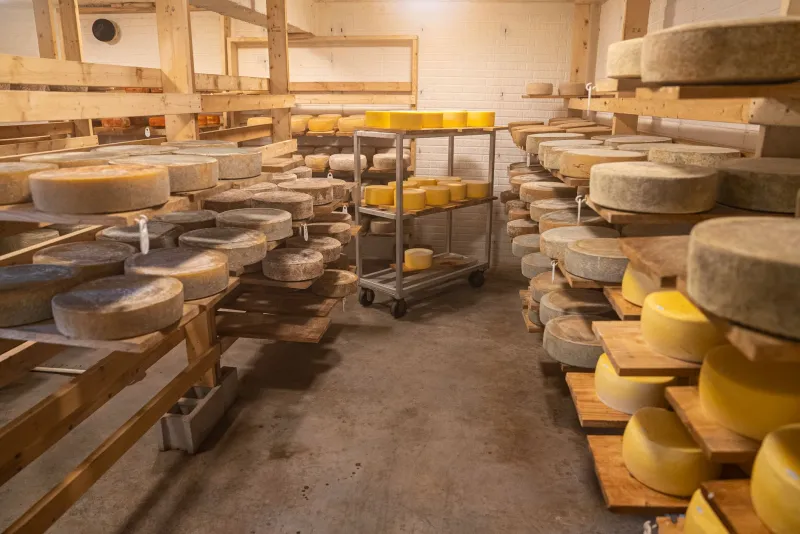
The region's cool mountain temperatures and lush summer pastures create conditions that European cheesemakers would recognize immediately. Several producers here are making cave-aged styles that wouldn't look out of place on a board in the French Alps. The bonus? You can pair your tasting with local sorghum, ramp jelly, and sourwood honey, which is a combination that sounds chaotic and tastes like a revelation.
Itinerary tip: Base yourself in Asheville, NC for a long weekend. Day one, drive the winding roads toward Madison County for farmstead goat cheeses. Day two, head into the Blue Ridge Parkway corridor where several small operations sell directly from the farm. Bring cash, bring manners, and for the love of all that is holy, bring a proper cooler.
The Great Plains: Yes, Really
Stay with us here. The Great Plains are not the first landscape that springs to mind when you're fantasizing about artisan cheese. But Iowa, Missouri, and South Dakota are quietly producing some genuinely interesting work, particularly in communities with strong European immigrant heritage where traditional styles never fully disappeared.
Small Midwestern creameries are making everything from aged Gouda-inspired wheels to fresh fromage blanc that would make a French grandmother nod approvingly. The crowds are nonexistent, the people are extraordinarily friendly, and you will almost certainly be invited to see the actual animals. This is not nothing.
Itinerary tip: A Missouri loop through the Ozarks connects several small farms and creameries in a single day's drive. Pair with visits to local farmsteads that also produce charcuterie — the combination is embarrassingly good and the Instagram content basically makes itself.
The High Desert Southwest: New Mexico's Quietly Brilliant Cheese Scene
New Mexico has been making cheese since Spanish colonists arrived in the 16th century. That is a longer cheese tradition than most of New England, and yet somehow it doesn't have a Travel + Leisure listicle every other week. The injustice is real.
The state's high-altitude ranching culture supports a small but fiercely dedicated community of cheesemakers who work with heritage breeds and produce styles that reflect both the region's Spanish Colonial past and its contemporary culinary creativity. You'll find fresh queso blanco alongside carefully aged manchego-style wheels, all of it happening against a backdrop of red rock mesas and extraordinary sunsets.
Itinerary tip: The stretch between Santa Fe and Taos is your friend. Several producers operate tasting rooms or sell at the region's excellent farmers markets. Time your visit for fall harvest season when the local food scene is firing on all cylinders and the weather is genuinely perfect.
The Pacific Northwest Interior: Beyond Portland's Cheese Shops
Everyone knows that Portland and Seattle are fantastic cities for buying artisan cheese. Fewer people realize that the source of much of that cheese is a few hours inland, in the river valleys and volcanic foothills of Oregon and Washington where the dairy farming is exceptional and the cheesemakers are quietly obsessive.
The Willamette Valley gets press for wine, but its pastoral landscape also supports some of the Pacific Northwest's most interesting creameries. Cross the Cascades into central Oregon and you're in high desert ranch country where small-batch aged cheeses are being made with the same intensity that the wine people apply to their Pinot Noir. It is extremely their whole thing and it works.
Itinerary tip: A loop from Portland east through the Columbia River Gorge and down through the Willamette Valley hits multiple creameries, several excellent farm stands, and enough scenery to justify the mileage. Allow at least three days. Allow more if you can.
Northern California's Lost Coast: Fog, Cows, and No Cell Service
Mendocino and Humboldt counties sit north of the Sonoma wine bubble and are therefore frequently ignored by food tourists. This is an enormous mistake. The fog-drenched coastline and impossibly green pastures of California's Lost Coast produce some of the richest, most complex milk in the country, and several small creameries are doing extraordinary things with it.
The vibe here is genuinely remote — which is either a selling point or a dealbreaker depending on your relationship with cell reception. The cheeses tend toward the funky and the bold: washed-rind styles, bloomy rinds with serious personality, aged tommes that smell like a forest floor in the best possible way.
Itinerary tip: Highway 1 north of Bodega Bay is the route, and it is spectacular and terrifying in equal measure. Budget extra time for the drive itself, stop at every farm stand you see, and accept that you will return home with more cheese than you planned to buy. This is not a problem. This is the point.
The Practical Stuff (Because Cheese is Perishable and You Are Not a Monster)
A few ground rules for any serious cheese road trip: Always call ahead before visiting small creameries — many operate on unpredictable schedules and a surprise visit is not the vibe. Invest in a quality insulated bag and some reusable ice packs. Wrap your purchases properly (ask the cheesemaker; they will tell you). And please, eat the cheese at its intended temperature, not straight from a sweltering car. You've driven this far. Show some respect.
America's cheese map is bigger, stranger, and more delicious than the obvious coordinates suggest. The only real question is which direction you want to point the car first.