Hold Your Nose, Open Your Mind: A Coward's Guide to Loving the World's Weirdest Cheeses
Let's start with some honesty: certain cheeses smell like a locker room that has been used exclusively by competitive athletes who also keep livestock. This is not a flaw in the cheese. This is the cheese doing its job, communicating its complexity through the only language it has available, which is aroma, and sometimes that language is extremely loud.
If you've ever recoiled from a cheese board at a party, quietly slid a slice of something funky to the edge of your plate, or whispered "what is wrong with that?" while pointing at a perfectly magnificent hunk of aged Taleggio — this guide is for you. Pull up a chair. We're going to fix this.
Why Your Brain Is Lying to You
First, a brief and completely non-judgmental explanation of why "difficult" cheeses are difficult. The human nose is a suspicious organ with strong opinions about fermentation. Many of the aromatic compounds that make aged and washed-rind cheeses smell pungent — things like butyric acid and various sulfur compounds — are the same compounds associated with things our ancestors correctly learned to avoid. Your brain, bless its cautious little heart, is pattern-matching your fancy imported cheese to "potential danger."
Here's the thing: your brain is wrong. The microbial activity that creates those intense aromas is also creating extraordinary flavor complexity. The same biochemical processes that make Époisses smell like it's been left in a warm car are responsible for its impossibly rich, almost meaty depth of flavor. The nose is writing checks that the palate absolutely cashes.
The trick is convincing yourself to cash them.
The Flavor Progression: Your Roadmap Out of Brie Country
Nobody learns to love stinky cheese by being handed a full wheel of Limburger on their first attempt. This is a journey, and like all good journeys, it starts somewhere sensible and works its way toward the spectacular.
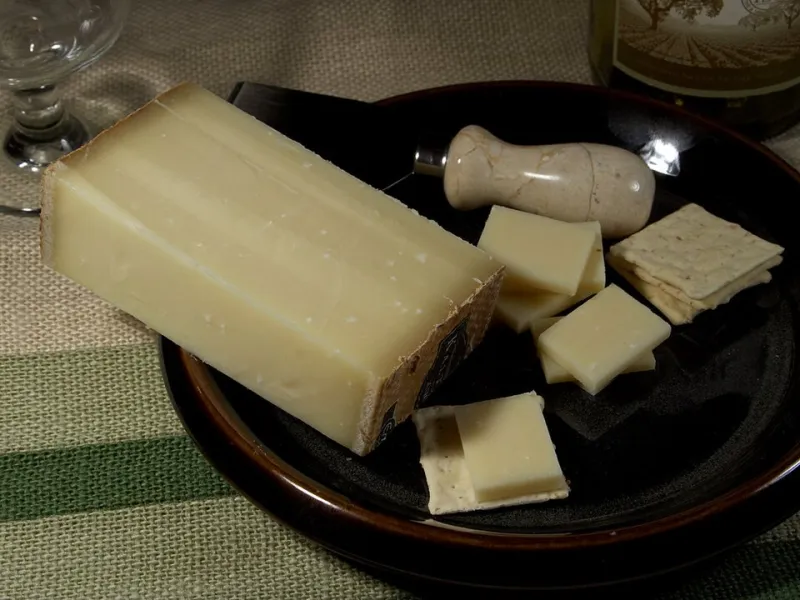
Stage One: Slightly Funky But Friendly Begin your rehabilitation with cheeses that have personality without being confrontational. A good aged cheddar — something with at least 18 months on it — will show you what "sharp" really means and introduce you to those little crunchy tyrosine crystals that indicate serious aging. Manchego at its more mature end has a pleasant lanolin-and-roasted-nut thing going on that feels adventurous without being alarming. Gruyère, especially the cave-aged Swiss variety, has a meaty savoriness that might surprise you. These are gateway cheeses. They are doing important work.
Stage Two: Blue-Curious Blue cheese is where many people have their most traumatic cheese memories, usually involving a salad dressing that tasted like a science experiment. Real blue cheese is different. Start with Gorgonzola Dolce, the younger, creamier Italian style — it's mild, almost spreadable, and the blue veining is gentle rather than aggressive. From there, try an American-made blue like Rogue Creamery's Oregon Blue, which has a clean, slightly fruity quality that converts skeptics at a remarkable rate. Reserve Roquefort and Stilton for Stage Three. Trust the process.
Stage Three: Washed Rinds — The Final Frontier Washed-rind cheeses are the ones that smell the most alarming and taste the most rewarding, and that is not a coincidence. The washing process — typically with brine, beer, wine, or spirits — encourages the growth of brevibacterium linens, the bacteria responsible for both the orange-pink rind and the distinctive aroma. Start with Taleggio, an Italian semi-soft that smells assertive but tastes like butter had a conversation with mushrooms. Then try Époisses if you're feeling brave, or one of the excellent American-made washed rinds like Winnimere from Jasper Hill Farm in Vermont, which is seasonal, extraordinary, and will make you feel like a person of genuine sophistication.
Tasting Strategies That Actually Work
Smell It, Then Wait. The initial aroma of a pungent cheese is always the most aggressive moment. Take a sniff, then give yourself ten seconds before going in for a taste. The flavor, you'll find, is considerably more welcoming than the nose suggested.
Eat It With Something. A strong blue on a plain cracker hits differently than the same blue drizzled with honey on a walnut. Fat, sweetness, and starch all soften intensity and create context. This isn't cheating. This is how cheese is meant to be eaten.
Temperature Matters More Than You Think. Cold mutes flavor. A washed-rind pulled straight from the refrigerator is a completely different experience than the same cheese allowed to come to room temperature for 45 minutes. The flavors open up. The texture softens. The cheese becomes itself. Always, always let your cheese warm up before judging it.
Start Small. You don't need a full slice. A thumbnail-sized piece is enough to register flavor without committing to an experience you're not ready for.
Real People Who Survived (And Now Can't Stop)
We asked our CheeseZoo community about their conversion stories, and the responses were both encouraging and slightly unhinged.
One member from Portland, Oregon, describes her Époisses awakening at a friend's dinner party as "the moment I realized I had been eating boring cheese my entire adult life. I went back four times. I'm not proud of this. I'm also not sorry."
A reader from Nashville recalls being "genuinely offended" by his first encounter with aged Gouda before realizing, on his third bite, that it tasted exactly like caramel and butterscotch and he had no idea cheese could do that.
Another contributor from Chicago describes a decade-long avoidance of blue cheese followed by a single bite of Point Reyes Bay Blue at a farmers market that, in her words, "completely rearranged my personality."
These stories are not outliers. They are the rule. Almost everyone who commits to trying difficult cheeses with an open mind ends up on the other side of the experience as a devotee. The conversion rate at CheeseZoo is, we like to think, extremely high.
The One Rule That Overrides Everything
Here it is, the single most important piece of guidance we can offer: eat the cheese with the person who loves it most. Enthusiasm is contagious. If your friend's eyes go slightly unfocused with pleasure when they describe a particular aged cheese, and then they hand you a piece with genuine excitement, you will taste it differently than if you picked it up alone from a plastic container. Context is everything. Find your cheese-loving person. Let them guide you.
And if all else fails, remember: at CheeseZoo, we believe every cheese deserves a fair trial. Even the ones that smell like they've been aging since the Eisenhower administration. Especially those.