Rind Over Matter: A Field Guide to Eating Cheese Rinds Without Regret

Photo: Basile Morin, CC BY 4.0, via Wikimedia Commons
Cheese rinds are the outer layer of a wheel, and they inspire more anxiety than a first date. Some are fuzzy. Some are orange and sticky. Some look like tree bark. And some are literally wrapped in wax. So here's the basic question: do you eat the rind or not? The answer is a firm 'it depends,' followed by a cheerful 'but here's how to figure it out.'
First, What Is a Rind?
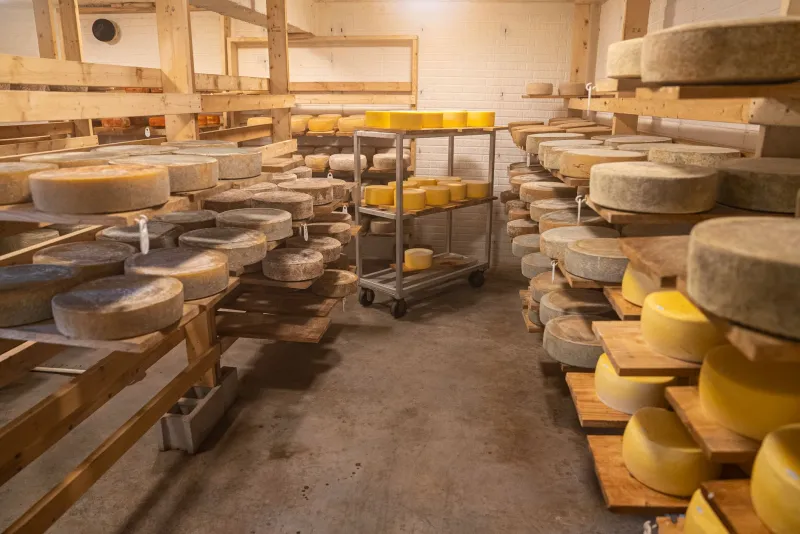
A rind is not a single thing. It's a strategy. Cheesemakers create rinds by salting, drying, brushing, washing, wrapping, or encouraging mold. The rind protects the cheese, shapes its flavor, and helps it age. In some styles, the rind is an integral part of the experience. In others, it's basically packaging. Knowing which is which is half the battle.
The Edible Hall of Fame: Bloomy, Washed, Natural
Bloomy rinds—think Brie, Camembert, and their American cousins—are covered in a white, fuzzy mold. The rind is edible, and many people love it. It's a little earthy, a little mushroomy, and it contrasts nicely with the creamy paste inside. If the rind is thick, bitter, or ammoniated, you can trim it, but you don't have to.
Washed rinds—think Époisses, Taleggio, and many stinky American cheeses—are rinsed in brine, beer, wine, or spirits. That washing encourages a reddish-orange smear and a pungent aroma. The rind is edible, but it's the most flavorful part. If you're new to washed rinds, start with a thin slice and see how you feel. The rind is not a dare; it's a seasoning.
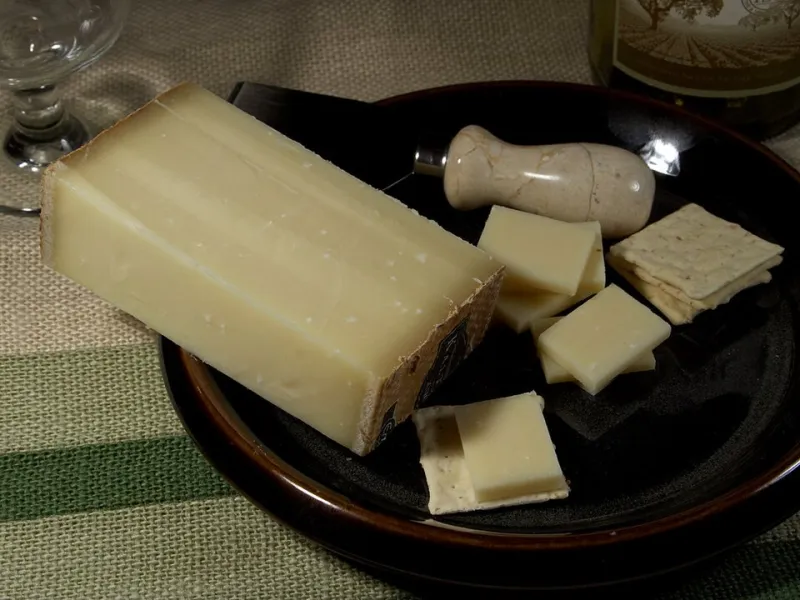
Natural rinds—think Parmigiano Reggiano, aged Gouda, and many Alpine-style cheeses—form on their own as the cheese ages. They can be thick, hard, and gnarly. Parmigiano Reggiano rind is technically edible but tough; most people save it for soup. Aged Gouda rind can be chewy and intense. You can eat it, but you don't have to.
The Proceed With Caution Club: Wax, Cloth, Bark
Wax rinds are not food. They're a protective coating, usually made of paraffin or a blend of waxes. Some cheesemakers use wax on younger cheeses; others use it on Cheddars and Goudas. If you see a bright red or black coating, don't eat it. Cut it away.
Clothbound rinds—like traditional clothbound Cheddar—are wrapped in muslin and rubbed with lard or butter. The cloth itself is not edible. The thin layer of cheese underneath the cloth can be eaten, but it's often dry and sharp. Many cheesemongers trim it off.
Bark-wrapped cheeses—like spruce-bark-wrapped wheels from Vermont—are a special case. The bark is not edible. The cheese near the bark may take on a woody, resinous flavor. Eat the cheese, leave the bark.
The Decision Tree (For People Who Panic in the Cheese Aisle)
Step 1: Is the rind made of wax, cloth, bark, or plastic? If yes, do not eat it. Cut it off.
Step 2: Is the rind fuzzy and white? If yes, it's probably bloomy. Taste a small piece. If it's pleasant, eat it. If it's bitter or ammonia-heavy, trim it.
Step 3: Is the rind orange, sticky, or smelly? If yes, it's probably washed. Taste a small piece. If you like the funk, eat it. If not, trim it.
Step 4: Is the rind hard, thick, and natural? If yes, it's probably an aged natural rind. You can eat it, but it's often better used for soup or grating. Chew a small piece and decide.
Step 5: Is the rind blue or green and part of a blue cheese? Blue cheese rinds are edible but can be salty and harsh. Many people trim them. It's a personal call.
When to Walk Away (and When to Just Cut It Off)
Walk away if the rind smells like ammonia, is slimy, or has visible mold that isn't supposed to be there—pink, black, or fuzzy green on a bloomy rind is a bad sign. Walk away if the rind is made of wax, cloth, or bark. Walk away if you simply don't like it. There's no cheese police.
But don't walk away just because the rind looks weird. Some of the best cheeses have rinds that look like they were dragged through a forest. The rind is often where the flavor lives.
A Few Rinds to Try This Weekend
- Vermont Creamery Bonne Bouche: ashed bloomy rind; edible and lovely.
- Jasper Hill Harbison: spruce-bark wrapped; eat the cheese, not the bark.
- Cabot Clothbound Cheddar: cloth rind; trim it, eat the cheese.
- Rogue Creamery Smokey Blue: natural rind; trim if you like.
- Your local Brie: taste the rind. You might be surprised.
The rind is not the enemy. It's the cheese's weather-beaten coat, and it has stories to tell. Eat it, trim it, or compost it—but don't fear it.