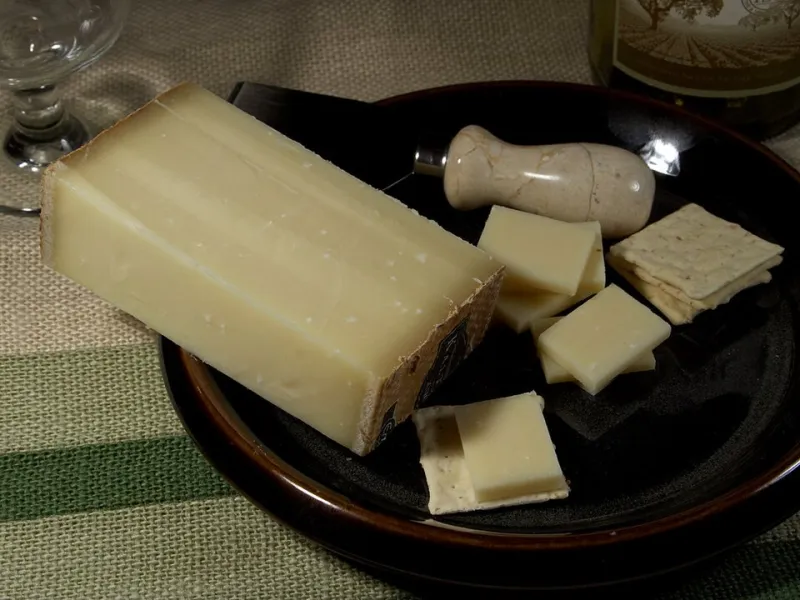
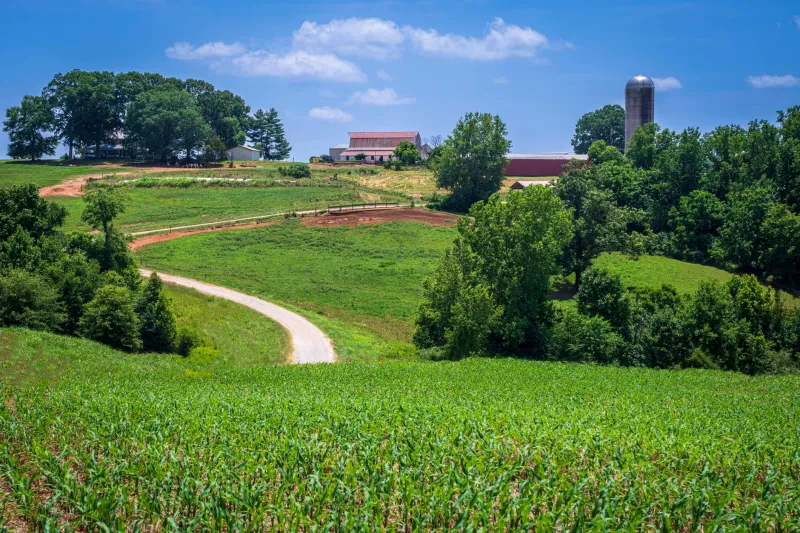
You Can Actually Taste Where It Came From: The Secret Geography Hidden Inside American Artisan Cheese
There is a wheel of cheese aging right now in a cave in Vermont that tastes like a November afternoon in the Northeast Kingdom. There's another one in a California coastal creamery that carries something of the Pacific fog in its rind. And somewhere in the dairy heartland of Wisconsin, a wheel of alpine-style cheese is developing flavors that couldn't have come from anywhere else on Earth.
This isn't poetry. It's biology, chemistry, ecology, and obsessive attention to detail — all in service of a single, slightly magical idea: that cheese can taste like somewhere.
At CheeseZoo, we've always maintained that the most interesting animals in our collection are the ones that couldn't survive anywhere else. Regional American cheeses are exactly that. They're expressions of place as much as they are expressions of craft, and understanding how geography gets into cheese is one of the most genuinely fascinating rabbit holes in the food world. Grab a cracker. Let's go.
What "Terroir" Actually Means When You're Not Talking About Wine
The French word terroir (roughly: "a sense of place") entered the English food vocabulary through wine, where it describes how a grape's growing environment — soil composition, microclimate, elevation, aspect — influences the flavor of the finished wine. It's a concept the French take so seriously that entire legal frameworks exist to protect regional designations.
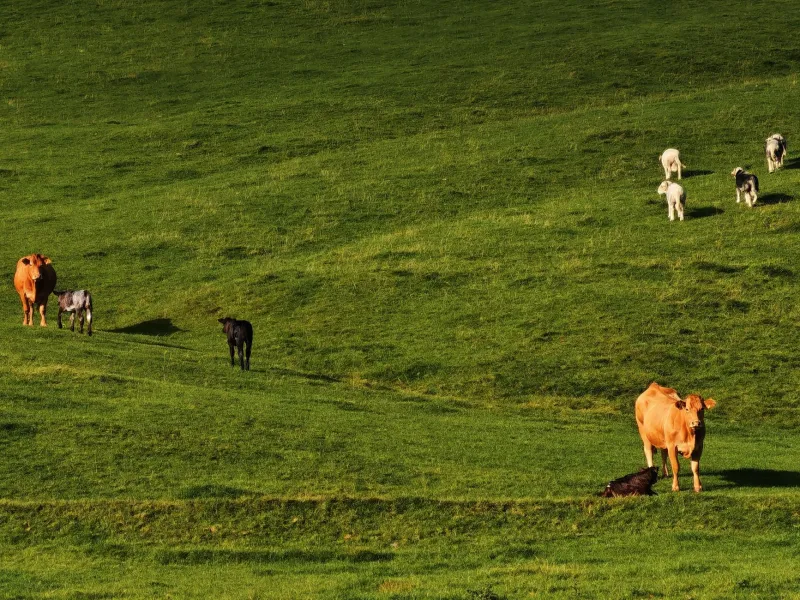
In cheese, terroir works through a slightly different but equally complex mechanism. It starts with the animal. A cow, goat, or sheep grazing on a specific pasture eats a specific mixture of grasses, wildflowers, herbs, and legumes that varies by region, season, and even by which particular field the animals are in that week. These botanical differences influence the flavor compounds in the milk — and those differences, subtle as they may be, survive the cheesemaking process and show up in the finished wheel.
But terroir in cheesemaking doesn't stop at the pasture. The ambient microbes in a specific creamery — the bacteria and wild yeasts floating in the air, living in the wooden aging equipment, colonizing the rinds of maturing wheels — are unique to that location. A cheesemaker who moves their operation across the state will make a different cheese in the new building, even with identical milk and identical technique. The invisible local ecosystem is an ingredient.
American cheesemakers are increasingly not just accepting this reality — they're actively engineering around it, choosing to amplify rather than suppress the regional character in their milk and their environment.
The Pacific Coast: Fog, Cliffs, and Cheese That Tastes Like the Ocean Smells
Point Reyes National Seashore is one of the more dramatically beautiful pieces of coastline in North America — a windswept peninsula of rolling grassland above the Pacific, perpetually wrapped in fog that rolls in off the water and keeps the temperatures mild and the grass green year-round. It is, by any reasonable assessment, an absurd place to run a dairy farm. The wind alone should be disqualifying.
It also produces some of the most distinctive cheese in the country.
The marine layer that makes Point Reyes feel like the edge of the world also creates a unique growing environment for the pasture grasses that feed the dairy herds there. The fog moderates temperatures, preventing the summer heat that would stress the grass and alter milk composition. The coastal wildflowers and salt grasses that grow alongside conventional pasture species add botanical complexity to what the cows eat. The result is milk with a character that cheesemakers at Point Reyes Farmstead Cheese Company have described as "inherently coastal" — richer, with a subtle salinity that you might attribute to imagination if you didn't know where it came from.
Their Original Blue, one of the most decorated American cheeses of the past two decades, carries that coastal identity throughout. It's a bolder, more assertive blue than many European counterparts — less refined, perhaps, but with a depth and a salt that feels completely appropriate for a cheese made on a cliff above the Pacific. You couldn't make this cheese in Ohio. The place is in it.
The Great Lakes Region: Cold Winters, Old Traditions, and Alpine Cheese That Earned Its Stripes
The Upper Midwest doesn't always get the romantic treatment in food writing. It lacks the dramatic scenery of Vermont or the glamour of California. What it has instead is serious agricultural infrastructure, generations of dairy expertise, and winters that would make a Swiss cheesemaker feel genuinely at home.
That last point matters more than it might seem. Many of the great alpine-style cheeses — Gruyère, Comté, Appenzeller — were developed in mountain environments with harsh winters and short grazing seasons. The milk produced by animals eating rich summer pasture before a long winter has specific characteristics: higher fat content, more complex flavor compounds from the diverse alpine botanicals, a depth that reflects the intensity of a short but productive growing season.
The dairy regions around Wisconsin's Driftless Area — a geologically distinctive zone of unglaciated hills and valleys in the southwestern part of the state — mirror those alpine conditions more closely than most American cheesemakers initially recognized. The varied topography creates microclimates. The diverse, unimproved pastures contain plant species rarely found in more intensively farmed areas. The milk is genuinely different.
Uplands Cheese Company, operating in the Driftless Area, makes Pleasant Ridge Reserve only during the summer grazing season — a deliberate choice to capture the specific character of that milk and nothing else. The cheese cannot be made year-round because the milk changes, and the milk changes because the pasture changes, and the pasture changes because of where it is and what time of year it is. This isn't a marketing story. It's the actual mechanism of terroir at work, and the result is a cheese with a complexity and a nuttiness that cheese judges keep awarding prizes to, apparently unable to stop themselves.
The Northeast Kingdom: Cold Caves, Microbial Magic, and the Funk You Didn't Know You Needed
Vermont's Northeast Kingdom — the remote, sparsely populated northeastern corner of the state — has a climate that most people would describe as "challenging" and cheesemakers describe as "perfect." The cold, humid conditions are ideal for aging certain styles of cheese, particularly the washed-rind and natural-rind varieties that develop their character through months of careful tending in cool, damp environments.
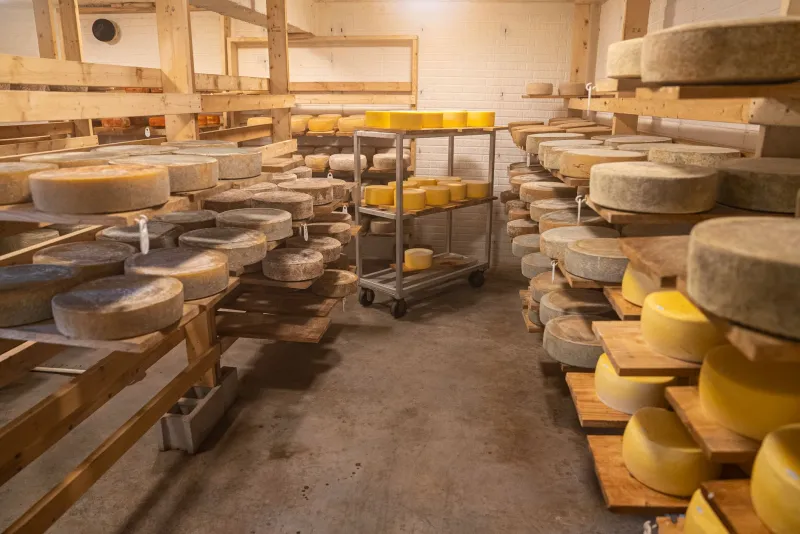
Jasper Hill Farm, operating out of Greensboro, has essentially built its identity around the idea that place matters — not just in the milk, but in the aging environment. Their Cellars at Jasper Hill, a 22,000-square-foot network of underground vaults carved into a hillside, maintains the kind of consistent temperature and humidity that cheesemakers dream about. But more importantly, those cellars have developed their own microbial ecosystem over years of operation — a community of bacteria, molds, and yeasts that are specific to that hillside, in that valley, in that particular corner of Vermont.
This invisible geography shows up in the cheese. Jasper Hill's Bayley Hazen Blue has a flavor profile that's distinctly different from similar-style blues made elsewhere — a nuttiness and a restrained funk that cheesemakers at other operations have tried to replicate and consistently found impossible to fully achieve. The recipe isn't secret. The place is.
How to Actually Taste Terroir (A Practical Exercise)
Understanding terroir intellectually is one thing. Tasting it is considerably more fun.
The most direct way to experience regional character in American cheese is to do a side-by-side comparison of similar styles from different regions. Two aged cheddars — one from Vermont, one from the Pacific Northwest — made by small producers using traditional methods will taste noticeably different in ways that have nothing to do with recipe variation. A fresh chèvre from a California coastal creamery and one from a Vermont goat farm will carry the character of their respective landscapes in ways that are subtle but real.
Pay attention to the finish — the flavors that linger after you've swallowed. Terroir tends to live in the finish, in those background notes of grass, or salt, or flowers, or minerals that don't announce themselves loudly but that give the cheese its sense of somewhere.
That's the whole game, really. Every great artisan cheese is an address as much as it is a recipe. And at CheeseZoo, we're absolutely here for the geography lesson.
Explore our regionally organized cheese collection at CheeseZoo.com and taste your way across America, one terroir-driven wheel at a time.